Even the smallest organism
is not alone
The Invisible Wounds of Science
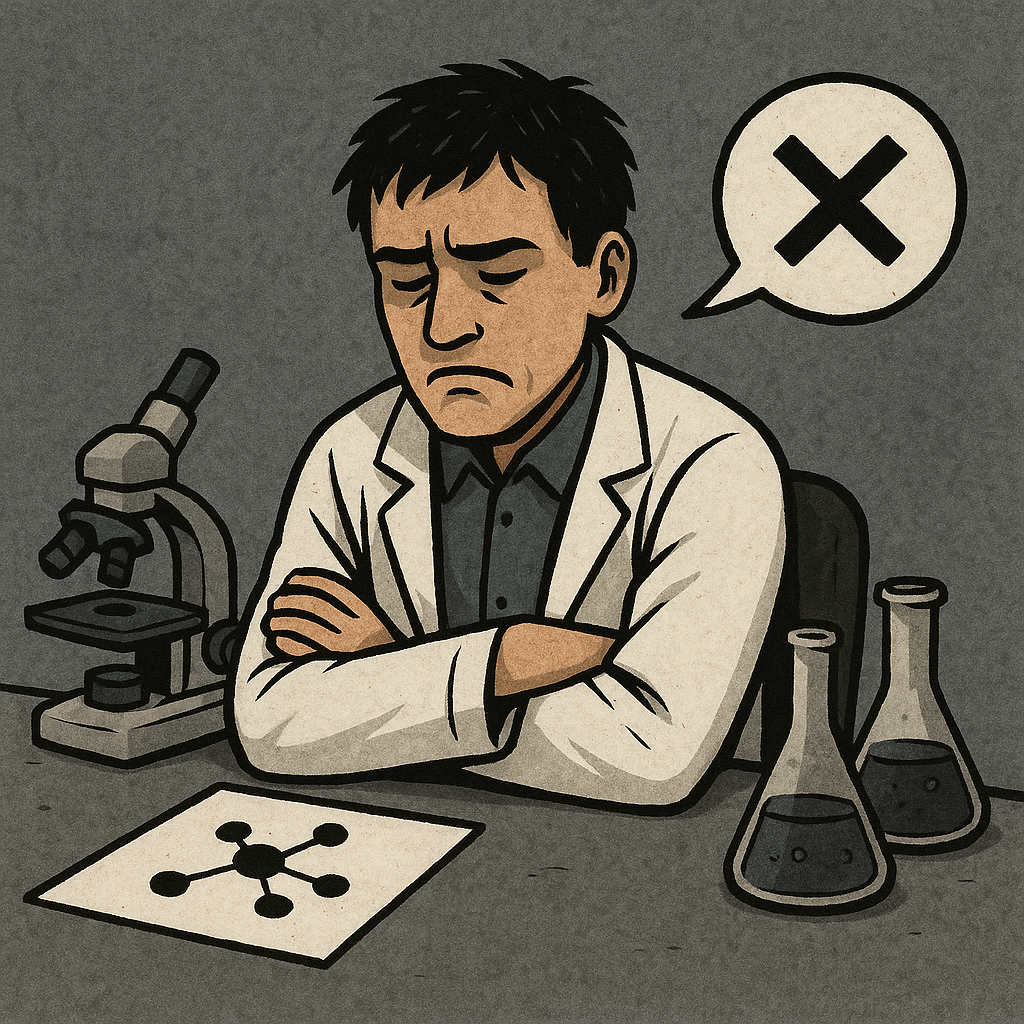
Mental health in molecular biology is an invisible epidemic rarely spoken about aloud. Behind brilliant scientific discoveries lies a harsh reality: 68% of researchers report symptoms of depression, and one in five faces suicidal thoughts. We are here to change this.
Science is not only about discoveries and awards, but also hard work, stress, and emotional burnout. Scientists, especially molecular biologists, face unique challenges that can undermine their mental health. Our mission is to support them on this journey.
In this section, we'll discuss how burnout affects scientists and why it's important to pay attention to your mental health. We'll also share stories of scientists who faced burnout and how they overcame it.
The Silent Epidemic
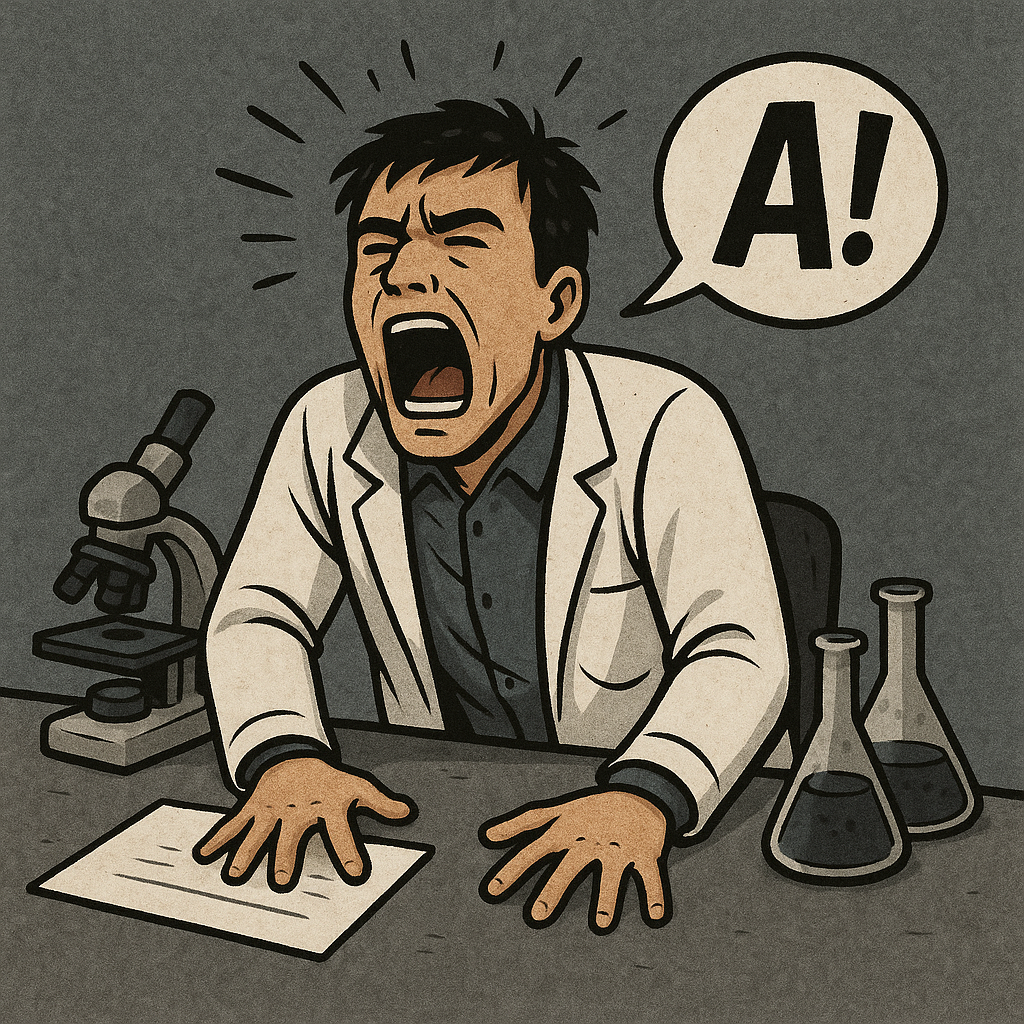
Molecular biologists advance science, but their mental health often remains in the shadows. Chronic uncertainty about results, existential crises, financial instability, and ethical dilemmas all create enormous psychological pressure.
Scientists, especially in molecular biology, face unique challenges. Constant pressure to publish in high-impact journals forces them to work at their limits. Complex experiments like genome sequencing or working with protein structures often end in failure due to the unpredictability of biological systems. And the struggle for grants becomes an endless cycle of stress - no funding means no research, and no research means no publications.
Many scientists remain silent about their problems due to fear of judgment or loss of reputation. In the scientific community, hiding weaknesses is common practice, and this silence turns personal struggles into a collective epidemic. For example, molecular biologists often face "empty test tube syndrome" - when months of work prove futile due to experimental design errors or random factors like sample contamination.
Moreover, isolation in the laboratory intensifies feelings of loneliness. Scientists spend hours at microscopes or computers analyzing data, rarely finding time to communicate with colleagues or loved ones. This is especially acute for young researchers just starting their careers who haven't yet gained confidence in their abilities.
After three years working with CRISPR, I started seeing DNA strands in my nightmares.
Every morning - a struggle with panic attacks before entering the lab.
My last experiment failed due to equipment malfunction.
I spent six months and thousands of dollars of budget, only to get silence in the end.
When a reviewer tore my paper apart, I couldn't bring myself to open my laptop for a week.
It felt like a punch in the face after a year of sleepless nights.
I lied at a conference that my project was on track.
In reality, I haven't been able to replicate my results for three months.
Grant agencies rejected my request because the topic was "not breakthrough enough."
Now I don't know how to pay my PhD students.
I stay in the lab until midnight, and colleagues think I'm just "brown-nosing".
No one knows I fear failure every second.
Broken Microscope Syndrome

Professional deformation in molecular biologists progresses through several stages:
- Idealization of science (0-2 years): Beginners are full of enthusiasm but quickly face reality.
- Obsessive perfectionism (2-5 years): Striving for perfect results leads to burnout.
- Emotional petrification (5-8 years): Scientists lose passion for work, become cynical.
- Existential collapse (8+ years): Complete disappointment in science and oneself.
Symptoms include imposter syndrome (79% of PhD researchers consider their successes accidental), experimental masochism (repeating failed experiments as self-punishment), and scientific fatalism ("everything is useless").
Anatomy of a Crisis
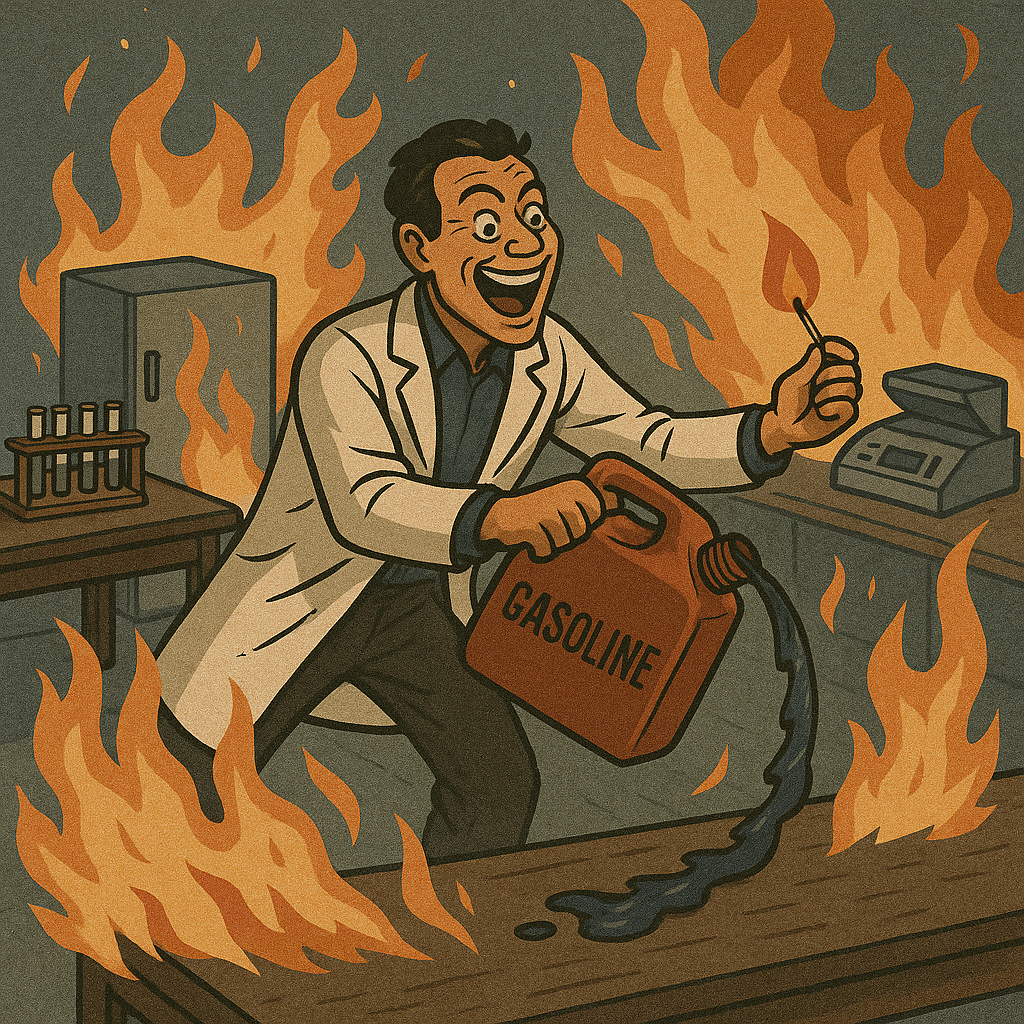
Analysis of 452 cases showed the main triggers of mental problems in molecular biologists:
- Repeated failures in experiment replication (41%)
- Publication race pressure (33%)
- Ethical trauma (18%)
- Loneliness of the research path (8%)
The crisis cycle begins with perfectionism, progresses to chronic stress, and ends with emotional burnout. Without intervention, this can lead to serious consequences.
Emergency Protocols
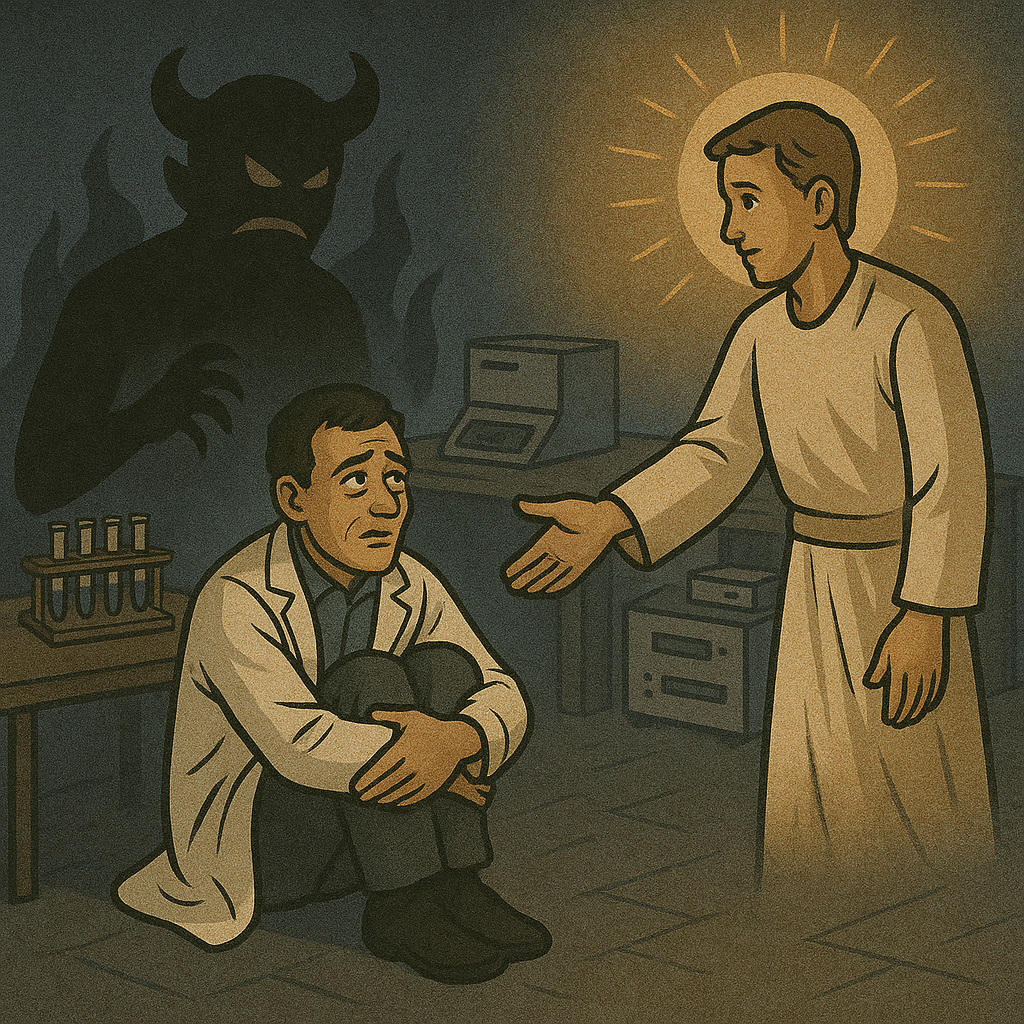
If you or your colleague needs help: