
Scientists' Problems
1. Conflict with Supervisor
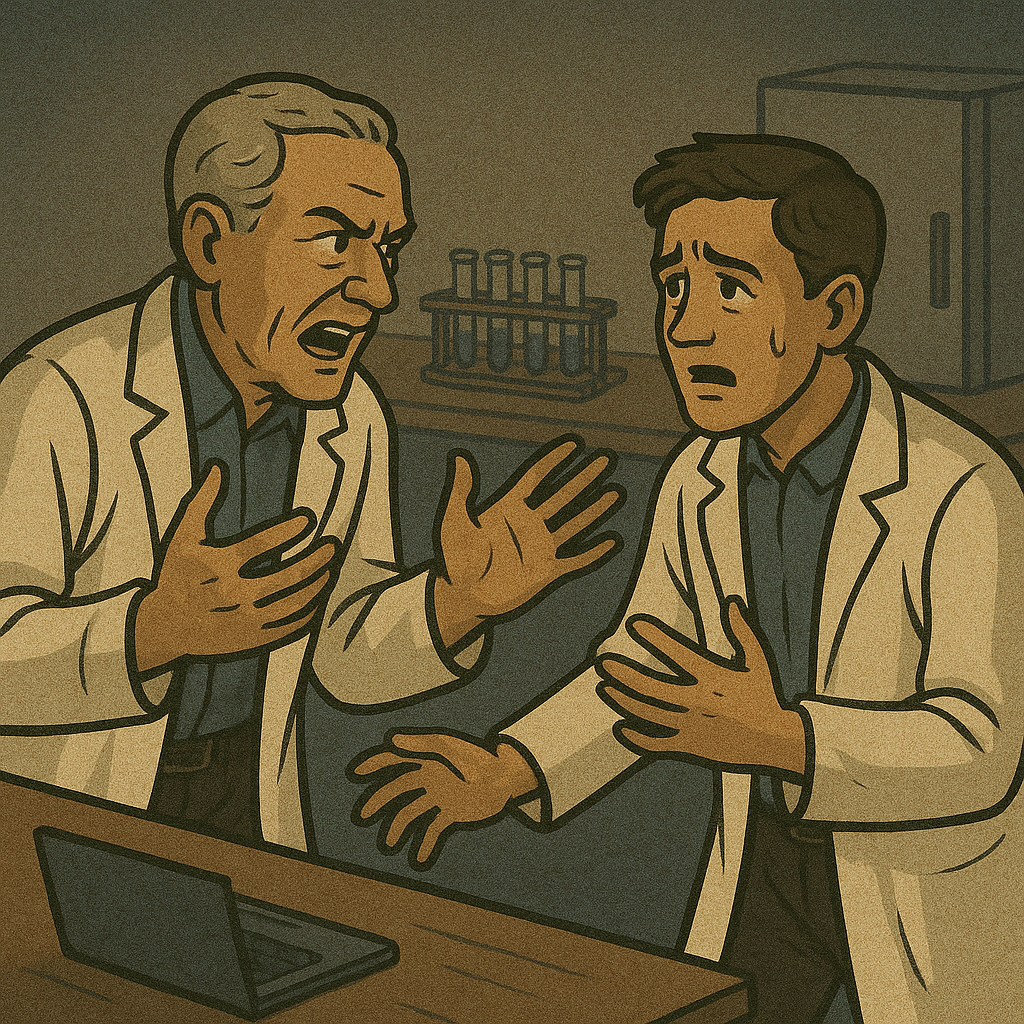
Supervisors often turn their mentees into executors of routine tasks rather than seeing them as partners or future colleagues. This is especially relevant for molecular biologists, where PhD students may spend months repeating the same experiment - for example, optimizing PCR that yields no results due to outdated protocols imposed by the supervisor. Such meaningless tasks not only hinder professional growth but also demotivate.
The financial aspect is also unsatisfactory: supervisors often appropriate grant money, even though it's the mentees who do the main work - from sample preparation to data analysis. A young scientist may spend days in the lab but never see a penny of the promised funding. This creates a sense of injustice and increases stress.
Ultimately, such conflicts lead to burnout: scientists lose faith in their abilities, begin to doubt their career choice, and even leave science. For molecular biologists, this is particularly painful since their work requires high precision and motivation, and a toxic lab atmosphere undermines everything.
2. Misrepresentation in Scientific Papers
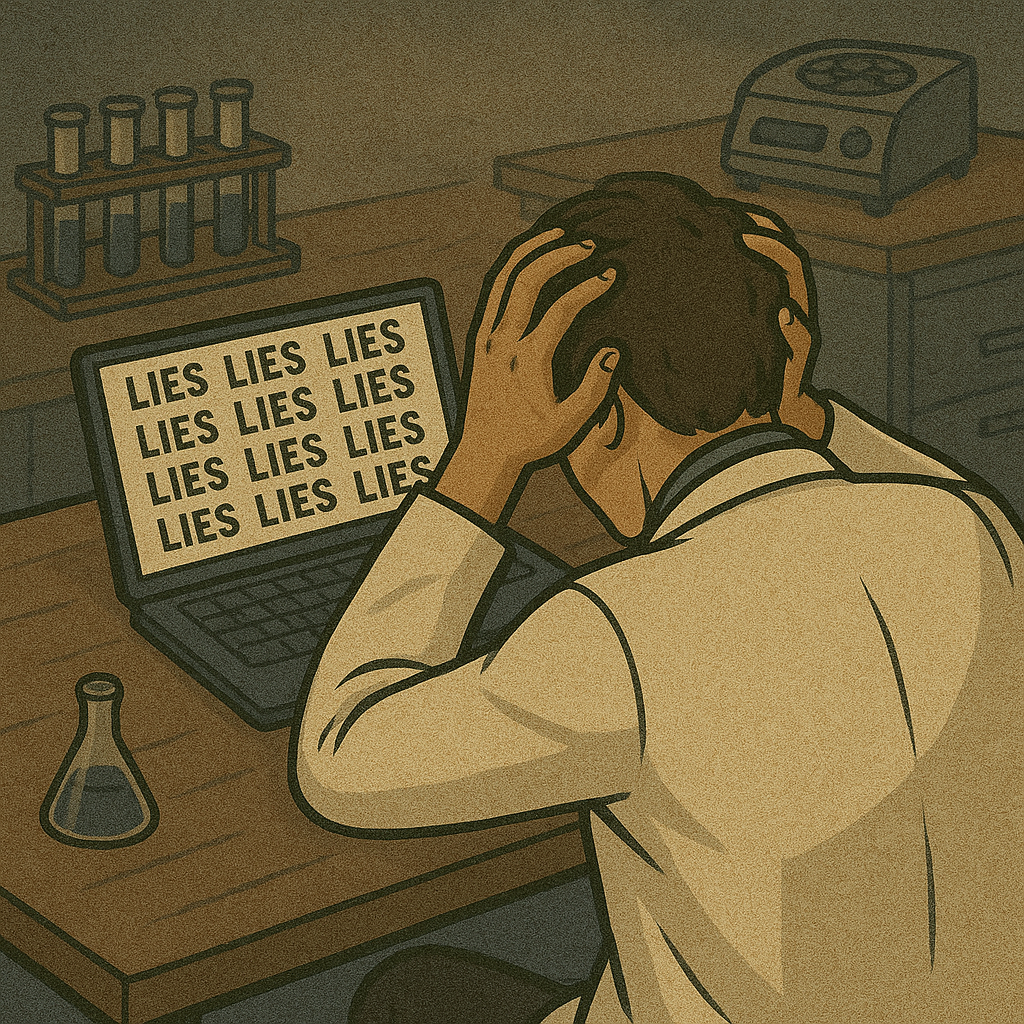
Publication pressure forces scientists to falsify data or "embellish" results. In molecular biology, this is especially dangerous: data manipulation in sequencing experiments or protein structures can lead to erroneous conclusions that affect other studies. Scientists are forced to repeat experiments, knowing their colleagues might have "tweaked" numbers for publication.
This not only demoralizes but also wastes time: months of work can be spent trying to reproduce fabricated results. Ultimately, trust in science declines, and young researchers lose faith in the integrity of the scientific process.
The problem is compounded by the fact that prestigious journals often turn a blind eye to minor manipulations for sensational headlines. Scientists find themselves trapped: either publish "dirty" data or remain without a career.
3. Publication Race
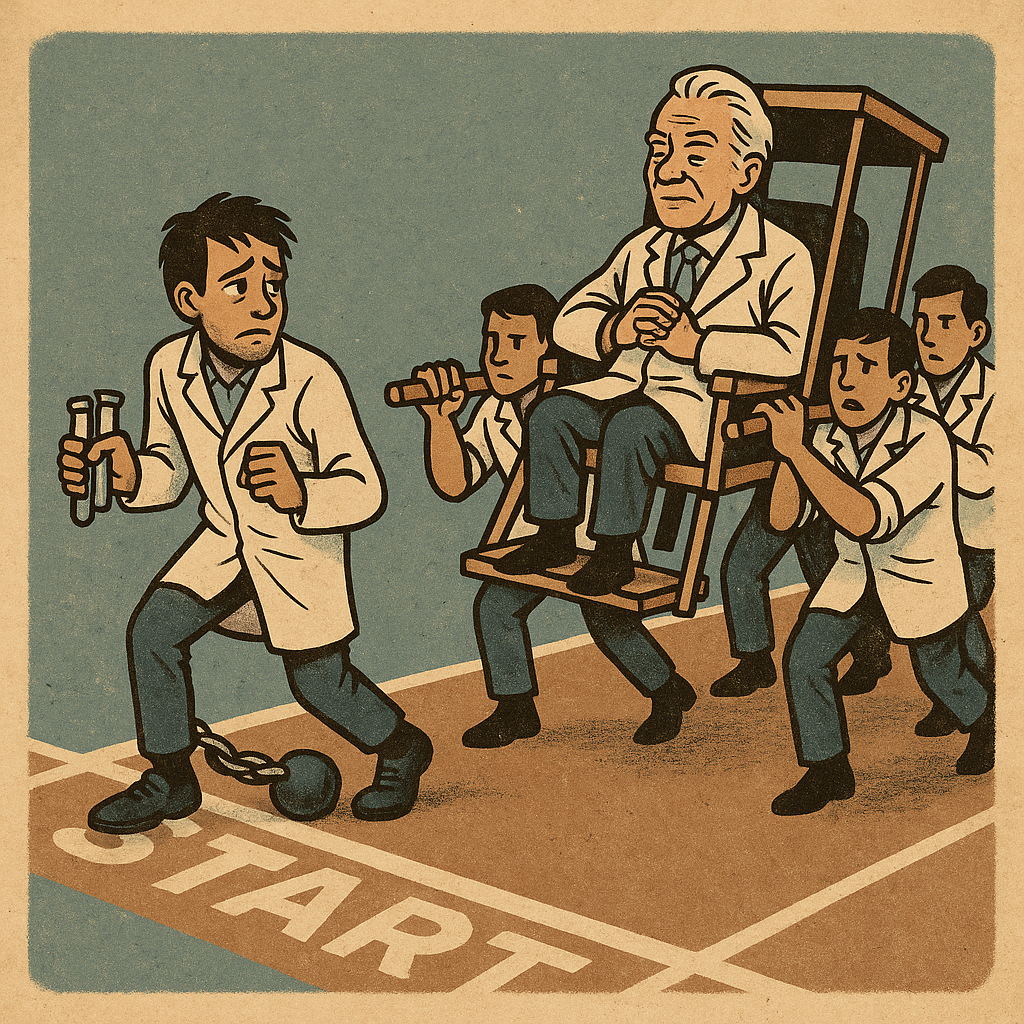
Management demands constant publications from scientists, even when there are no real results. As a result, researchers write "empty" articles based on weak or insignificant data. For molecular biologists, this is especially difficult: their work requires time and precision, and rushing for publication quantity leads to errors.
Such a race undermines trust in science: colleagues and reviewers see that articles provide no value but are forced to cite or use them. Scientists lose motivation, realizing their work is becoming a formality.
In the long term, this leads to degradation of the scientific community: instead of breakthrough discoveries, scientists engage in "citation index boosting." Young researchers become disillusioned with the profession, seeing their efforts bring no real benefit.
4. Unpredictable Experiments
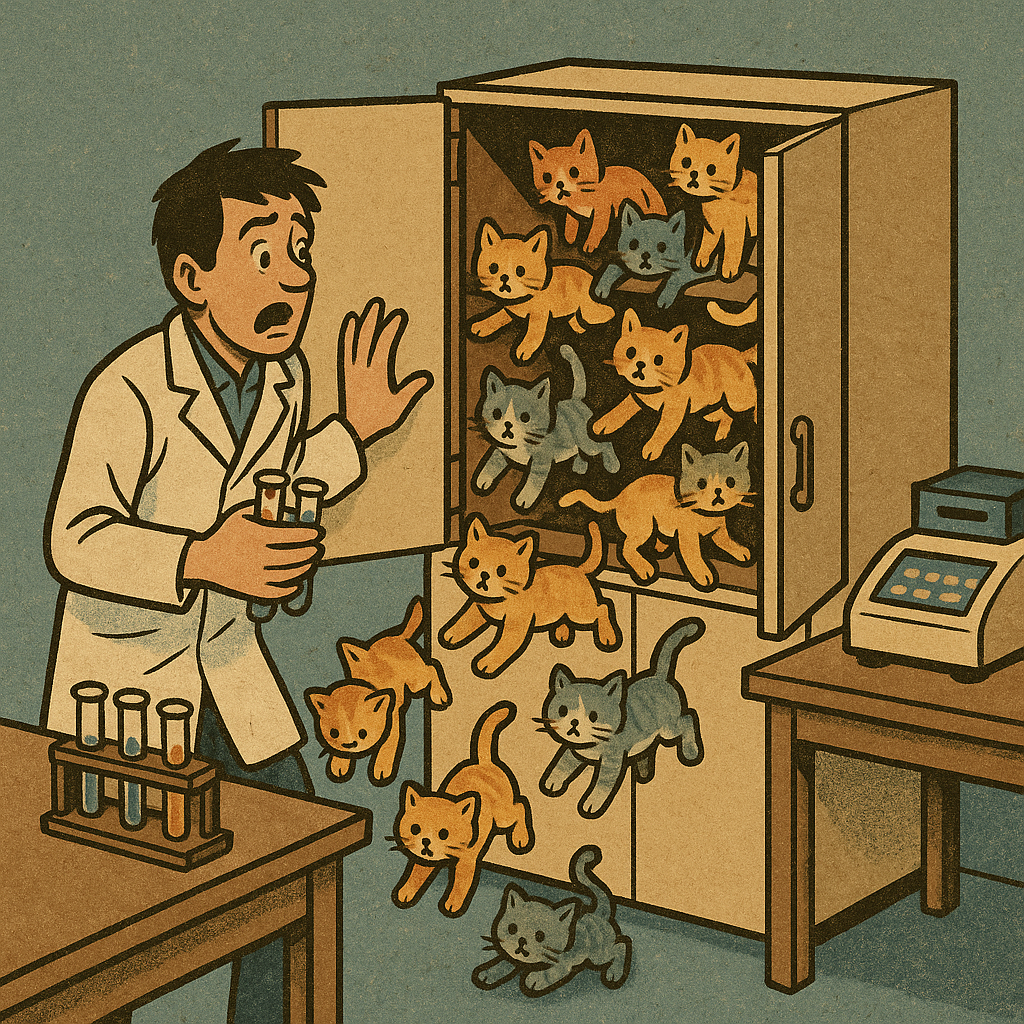
Even the simplest experiments can fail for unknown reasons. This is especially relevant in molecular biology: PCR doesn't work, western blots show noise, lab mice don't reproduce. Scientists spend months debugging protocols, but the reasons for failures remain a mystery.
This not only wastes time but also undermines self-confidence. Molecular biologists begin to doubt their knowledge and skills, increasing stress and burnout.
Ultimately, scientists may abandon promising ideas, fearing another failure. Science loses potential discoveries, and researchers lose faith in their work.
5. Outdated Research Topics
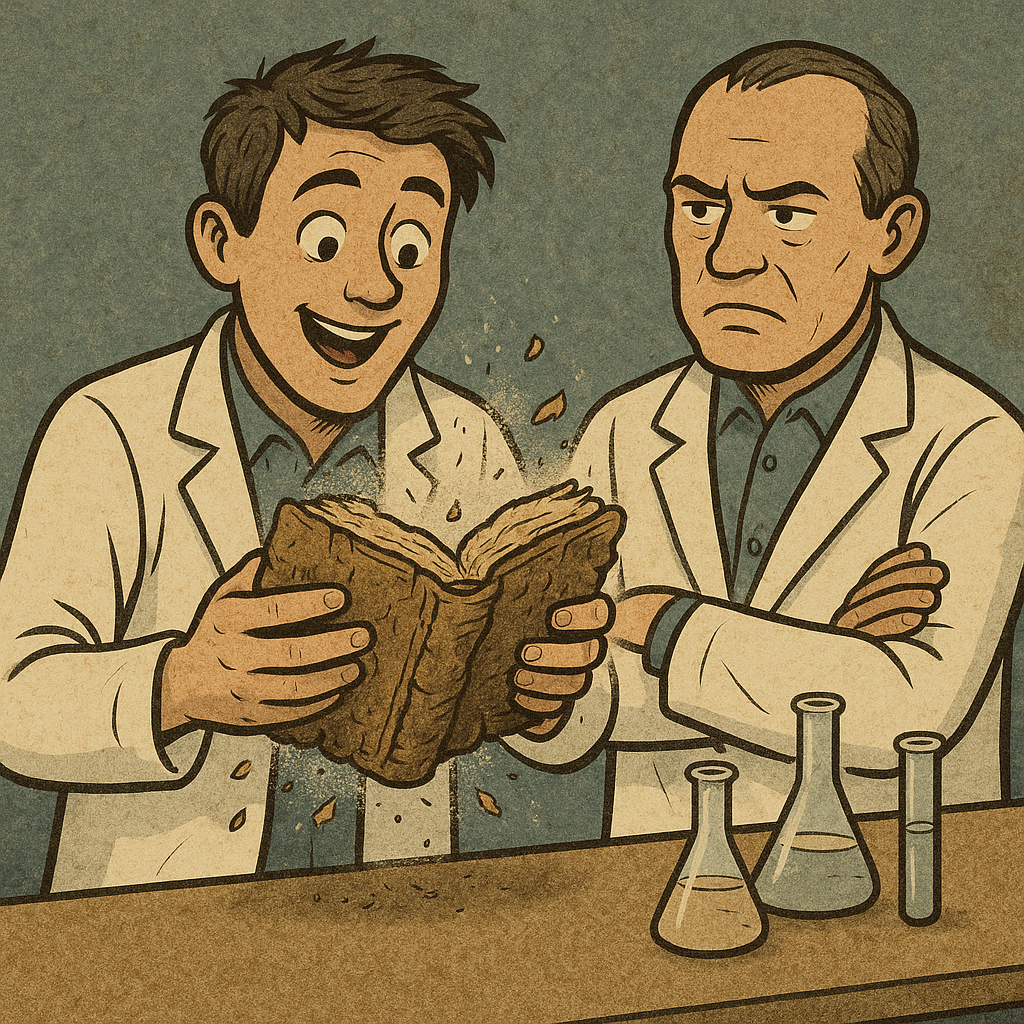
Many scientists spend years studying topics that lose relevance. For example, a molecular biologist might dedicate a career to studying a protein no longer interesting to the scientific community. Grants aren't allocated for such research, publications aren't accepted, and the scientist feels "stuck" in the past.
This leads to disappointment and loss of motivation. Scientists lose faith in their work, seeing their efforts bring no recognition.
Ultimately, many abandon science or switch to more "trendy" topics, losing years of accumulated experience. Science loses specialists, and researchers lose meaning in their activities.
6. Ethical Dilemmas

Molecular biologists often face moral quandaries: animal experiments, genome editing, cloning. These questions cause internal conflict, especially among young researchers who haven't yet "gotten used to" such practices.
Scientists suffer from guilt, increasing stress and burnout. Some even leave science, unable to reconcile their beliefs with professional demands.
Ultimately, science loses talented people, and those who remain often suffer from chronic stress and depression.
7. Financial Instability
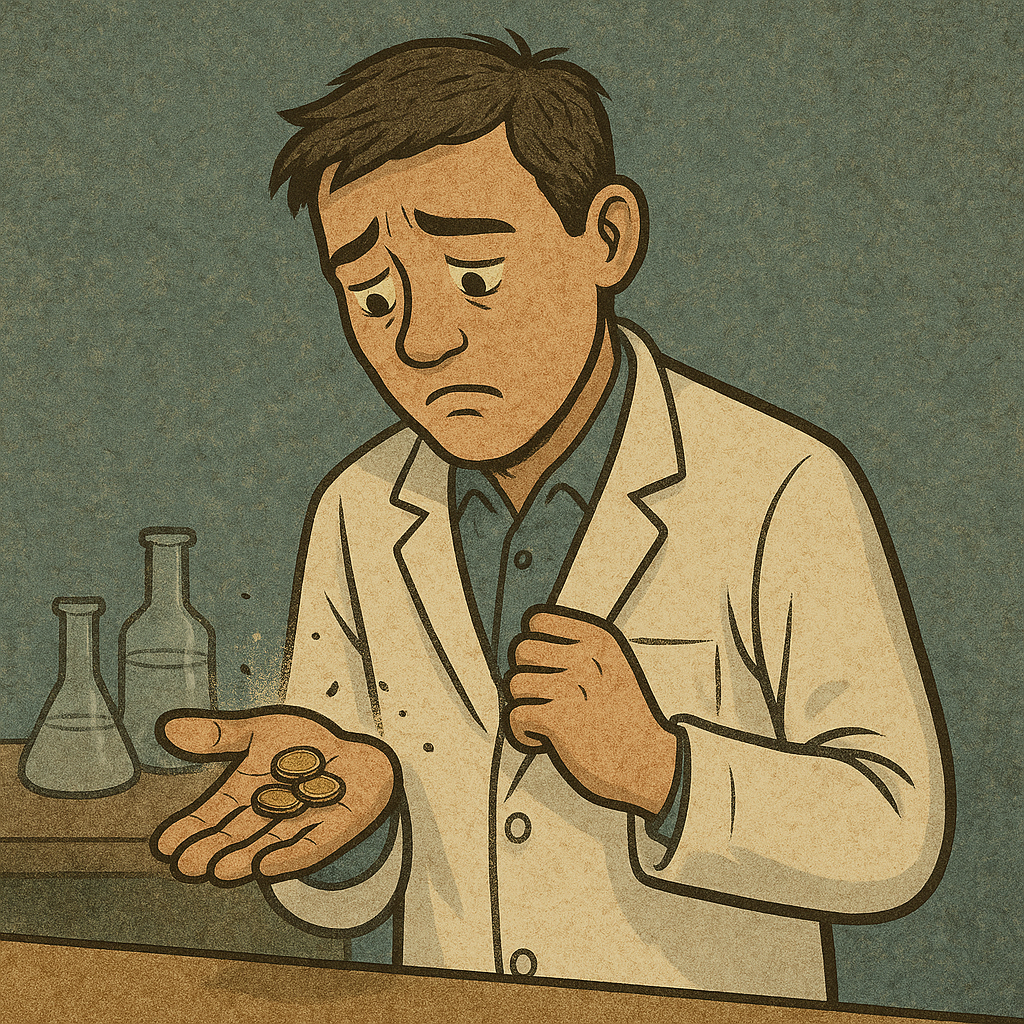
Scientists' salaries, especially young ones, often don't match their qualifications. Grants are unstable, and many have to take side jobs to make ends meet. For molecular biologists, this is especially difficult: their work requires full dedication, and side jobs drain time and energy.
Financial stress increases burnout: scientists can't focus on research while worrying about everyday problems.
Ultimately, many talented researchers move to commercial labs or leave science altogether, slowing the development of the scientific community.
8. Imposter Syndrome
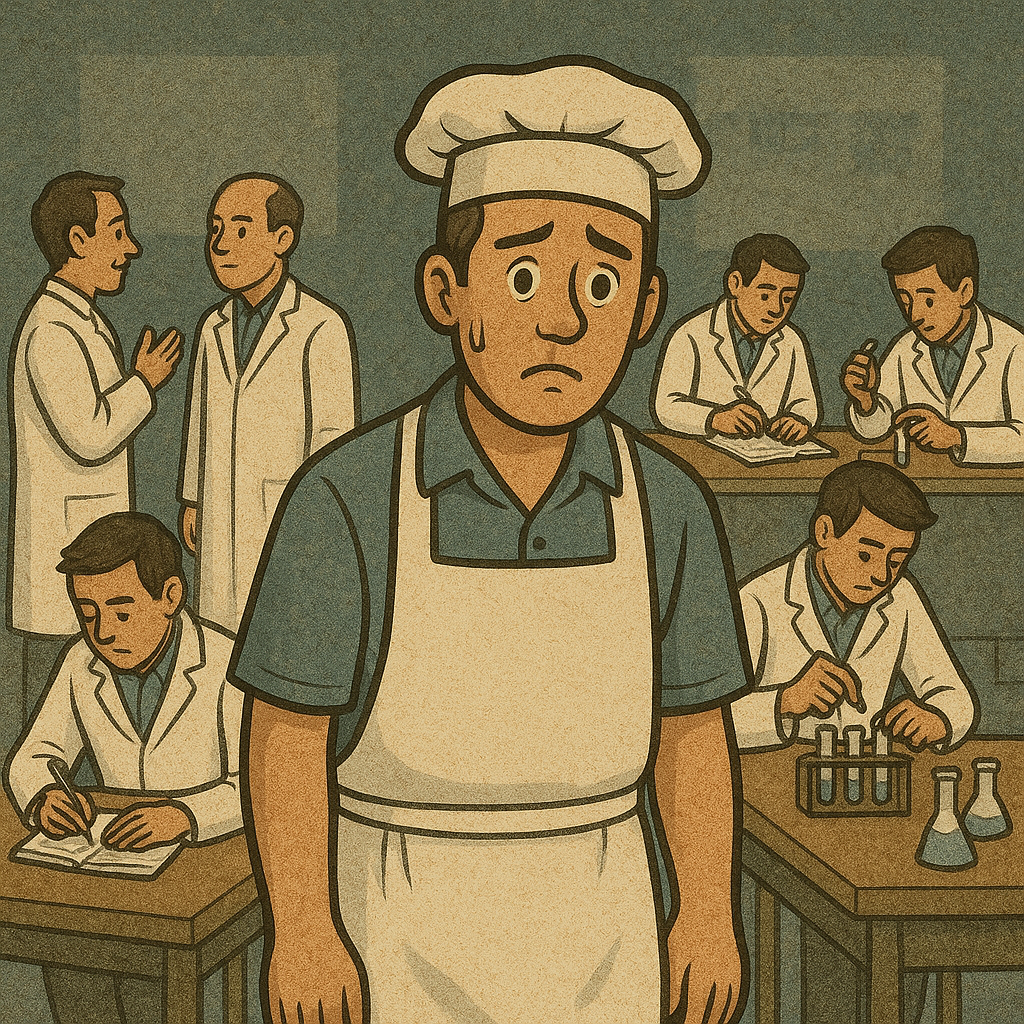
Even successful scientists often consider their achievements accidental. In molecular biology, where results are unpredictable, this is especially acute: scientists doubt their knowledge and skills, increasing stress.
Imposter syndrome leads to overwork and perfectionism, accelerating burnout. Scientists fear failure and can't enjoy their successes.
Ultimately, this undermines self-confidence and hinders career growth. Many talented researchers refuse ambitious projects, fearing "exposure."
9. Isolation and Loneliness
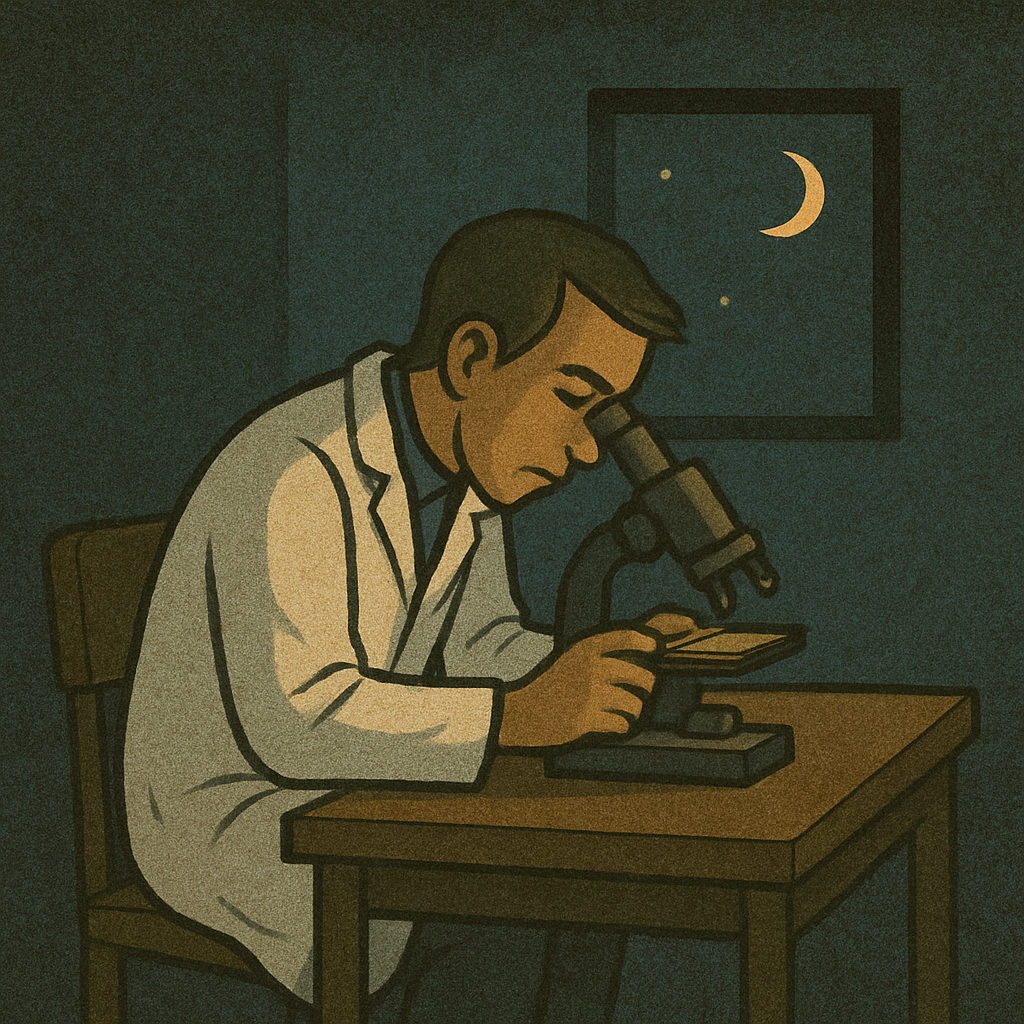
Scientists, especially molecular biologists, spend long hours in the lab without communication. This intensifies feelings of loneliness and depression, especially among young researchers who haven't yet started a family or made friends in a new city.
Lack of social contact leads to emotional burnout and loss of motivation. Scientists lose interest in work and life in general.
Ultimately, many leave science, unable to cope with isolation. Science loses talented people, and those who remain often suffer from chronic depression.
10. Bureaucracy and Paperwork

Grant applications, reports, approvals - all this takes time away from science. Scientists spend hours on paperwork instead of research. For molecular biologists, this is especially difficult: their experiments require constant attention, and bureaucracy distracts.
This leads to frustration and burnout: scientists feel like clerks, not researchers. Many lose interest in science, seeing their time consumed by formalities.
Ultimately, science slows down: instead of discoveries, scientists deal with paperwork. Young researchers become disillusioned with the profession and move to other fields.
Video Materials on Scientists' Problems
Our friends and closest associates have kindly provided a series of videos expressing their views on the challenging aspects of scientific reality
Widely known in narrow circles (very narrow circles) Ametish encourages with the idea that if you haven't finished university yet (or haven't even enrolled), it might be pointless to get involved in all this and you should just continue living and enjoying life?..
Our regular expert and consultant Alexander Panchin makes it clear that if you think there's a complete mess in your professional activities, you're almost certainly not alone
Konstantin Severinov shared what awaits Russian science in the future and whether it's worth pinning high hopes on it
Our regular expert and consultant Alexander Panchin advises marrying only virgins, and also clearly explains that participating in the publication race using all the dirtiest methods is real CRINGE
Stanislav Drobyshevsky clearly explains the future of science. We all just need to cultivate patience and love (with the help of Burnout Relief Hub). Or maybe switch to IT?..
Mikhail Gelfand: "Why should I leave, and not all that crap happening around?"